Hipólita y Fedra
Alejandro Nieto, 2018
sobre / about


Datos técnicos. / Technical details.
Duración
30'-60'
Duration
30'-60'
Personajes
4
Characters
4
Actrices
2
Actresses
2
Actores
1
Actors
1
Público
Adulto
Audience
Adult
Formato
Pequeño
Format
Small
Sinopsis. / Synopsis.
En vísperas de su boda con Fedra, Teseo, el flamante rey de Atenas, recibe la visita del espíritu de Ariadna, una mujer de su pasado que regresa para recordarle las deudas que aún no ha saldado. La advertencia se cumple cuando Hipólita, reina de las amazonas y antigua amante del rey, irrumpe en la ciudad para reclamar aquello que le fue arrebatado: su hijo. De este modo, la llegada de la amazona obligará a Fedra a enfrentarse a la verdad oculta tras la leyenda del héroe al que todos admiran.
On the eve of his wedding to Phaedra, Theseus, the newly crowned king of Athens, is visited by the spirit of Ariadne, a woman from his past who returns to remind him of the debts he has yet to settle. The warning proves true when Hippolyta, queen of the Amazons and former lover of the king, arrives in the city to reclaim what was taken from her: her son. In this way, the Amazon’s arrival forces Phaedra to confront the truth hidden behind the legend of the hero everyone admires.
Notas. / Notes on the piece.
Tradicionalmente, el mito de Fedra se centra en el momento en el que ésta, siendo una mujer madura, se enamora pasionalmente de su hijastro, una pasión que la conducirá hacia un destino fatal. Sin embargo, esta pieza propone centrarse en un momento anterior de la historia: la boda de Fedra con Teseo después de que su hermana Ariadna fuera abandonada por el rey de Atenas en medio del mar. Ello permite llevar a cabo una relectura de este mito clásico para plantear una nueva pregunta. ¿Puede una persona ser, al mismo tiempo, un gobernante ejemplar y un terrible ser humano?
Traditionally, the myth of Phaedra focuses on the moment when, as a mature woman, she falls passionately in love with her stepson—a passion that leads her to a fatal destiny. However, this piece proposes to focus on an earlier moment in the story: Phaedra’s marriage to Theseus after her sister Ariadne was abandoned by the king of Athens in the middle of the sea. This allows for a reinterpretation of the classical myth in order to raise a new question: can a person be, at the same time, an exemplary ruler and a terrible human being?
Otros datos. / Other information.
Segundo accésit de "Teatro Breve", XVI Certamen de Teatro "Dramaturgo José Moreno Arenas"
Publicación: XVI Certamen de Teatro "Dramaturgo José Moreno Arenas", Ediciones Carena, 2025
sobre / about


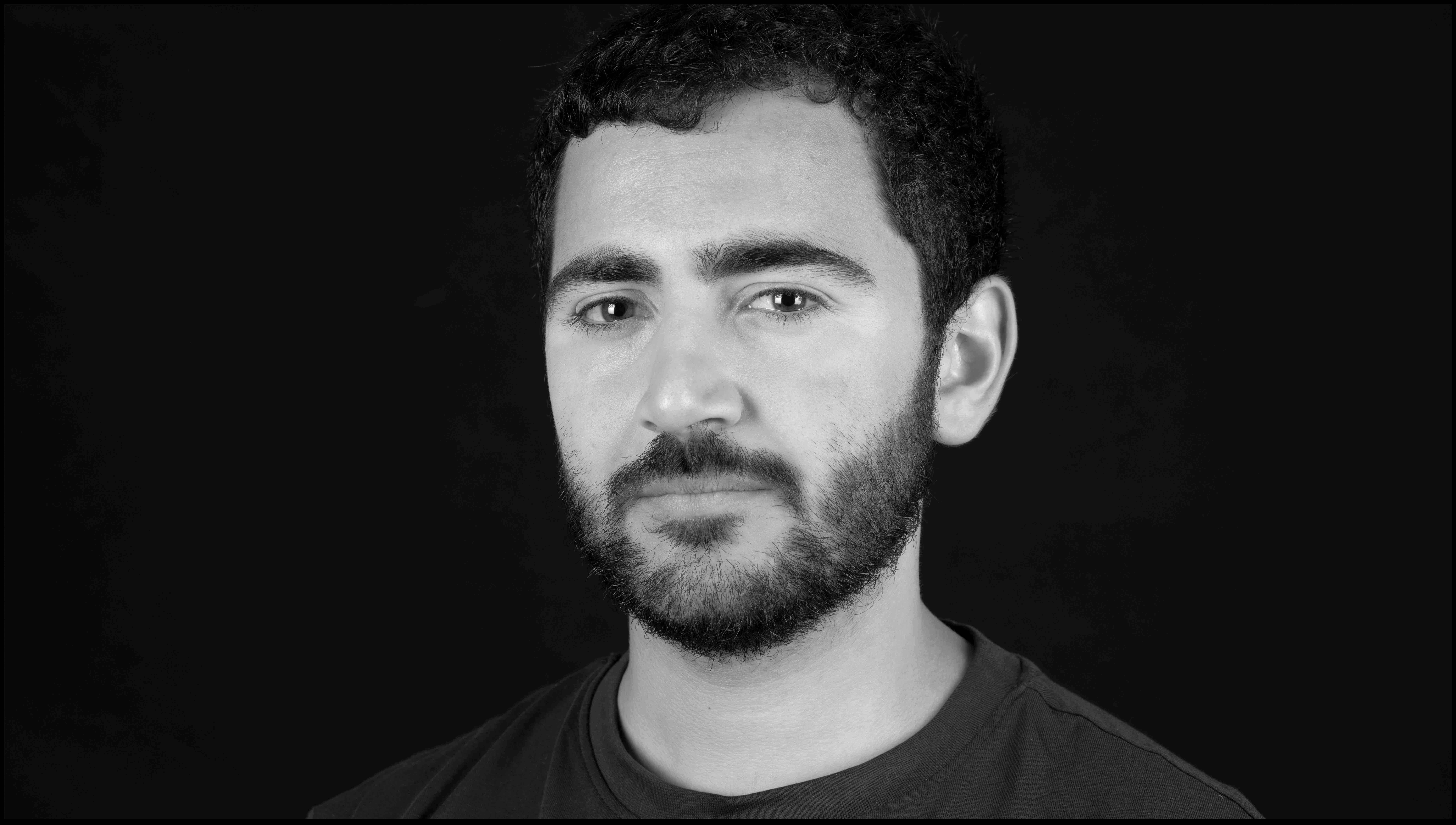
Biografía. / Biography.
Alejandro Nieto es actor, dramaturgo y director de teatro. Fundó la compañía Crisantemo Teatro en 2018 y ha dirigido más de una decena de espectáculos (entre ellos, “Yerma”, “Antígona” o “La gaviota”), destacándose por su capacidad para actualizar clásicos del repertorio dramático y acercar nuevas audiencias al teatro. Ha recibido formación por parte de diferentes profesionales de las artes escénicas y, en la actualidad, se encuentra cursando los estudios de Dirección Escénica en la Real Escuela Superior de Arte Dramático (Madrid). Además de ello, es Doctor en Derecho con la tesis “La autoría fantasma”, en la que estudió el fenómeno de la contratación de autores para que creen obras por encargo que, posteriormente, serán comercializadas bajo el nombre de un tercero. Asimismo, ha obtenido diversos premios a la dirección y a la dramaturgia por los espectáculos que ha dirigido.
Alejandro Nieto is an actor, playwright and theatre director. He founded the company Crisantemo Teatro in 2018 and has directed more than a dozen productions—including Yerma, Antígona and La gaviota—standing out for his ability to update dramatic classics and bring new audiences closer to theatre. He has trained with various performing arts professionals and is currently studying Stage Directing at the Royal School of Dramatic Arts in Madrid. In addition, he holds a PhD in Law with the dissertation Ghost Authorship, in which he examined the phenomenon of hiring writers to create commissioned works that are later marketed under someone else’s name. He has also received several awards for directing and playwriting for the productions he has staged.
Escritura. / Style.
«Concibo el teatro, fundamentalmente, como un vehículo para que contemos historias en comunidad, tal y como debieron de hacerlo algún día nuestros antepasados alrededor del fuego. Historias que nos ayuden tanto a comprendernos a nosotros mismos como a la realidad que nos rodea. Aspiro, en definitiva, a escribir un teatro que brinde a los demás una brújula con la que, llegado el caso, puedan orientarse en sus propias vidas. Por ello, creo en un teatro habitado por personajes profundamente humanos y complejos, que sean un reflejo de nuestros propios anhelos, errores e imperfecciones. Además, creo en una dramaturgia joven y refrescante, dispuesta a señalar el elefante en la habitación, que pique, que conmueva y que, sobre todo, sea capaz de generar preguntas.» (Alejandro Nieto).
«I conceive theatre, above all, as a vehicle through which we tell stories in community, much as our ancestors must once have done around a fire. Stories that help us understand both ourselves and the reality that surrounds us. Ultimately, I aspire to write theatre that offers others a compass with which, when needed, they may find their way through their own lives. For this reason, I believe in a theatre inhabited by deeply human and complex characters, reflecting our own desires, mistakes and imperfections. I also believe in a young and refreshing dramaturgy, willing to point out the elephant in the room, to provoke, to move, and above all, to generate questions.» (Alejandro Nieto).
Obras. / Plays.
-
2025. LA GAVIOTA
-
Teatro Moderno, Chiclana, 2025
-
2024. ANTÍGONA
-
Teatro Moderno, Chiclana
-
2021. EL TRONO
-
Anfiteatro Zahora, Barbate
-
2020. UN ENEMIGO DEL PUEBLO
-
Sala Paúl, Jerez de la Frontera
-
2017. HIPÓLITA Y FEDRA
-
Segundo accésit de "Teatro Breve", XVI Certamen de Teatro "Dramaturgo José Moreno Arenas"
XVI Certamen de Teatro "Dramaturgo José Moreno Arenas", Ediciones Carena, 2025
-
Leyenda / Legend
-
Estreno / Premio / Beca / Publicación
Premiere / Award / Grant / Publication
XVI Certamen de Teatro "Dramaturgo José Moreno Arenas", Ediciones Carena, 2025
Premiere / Award / Grant / Publication