
El peregrino de sí mismo
Arturo Echavarren, 2011
sobre / about

Datos técnicos. / Technical details.
Duración
>60'
Duration
>60'
Personajes
1
Characters
1
Actrices
0
Actresses
0
Actores
1
Actors
1
Público
Adulto
Audience
Adult
Formato
Pequeño
Format
Small
Sinopsis. / Synopsis.
Esta pieza cómica para un solo actor, ambientada a finales del siglo XVI, pincela un segmento de la vida de un hidalgo aquejado de una mala suerte de proporciones bíblicas, en busca del sentido de la vida. En su particular odisea, el protagonista relata una serie de asombrosas y fabulosas peripecias que lo llevan al fondo del mar tras un terrible naufragio, que lo conducen a recorrer España preso en el interior de un barril, a caer en manos del hampa más brava, a ser acosado por terribles alguaciles y a subir, muy a su pesar, a bordo de la capitana de la Armada Invencible antes de su fatídica destrucción. En esta forzosa peregrinación llena de azares, el protagonista descubre que todo viaje exterior es, en primer lugar, un viaje interior en el que el punto de destino ha de ser la revelación epifánica de su verdadera naturaleza. Se trata de una obra cómica próxima al género picaresco, que destaca por una particular preocupación por el estilo y la búsqueda de nuevos ritmos y efectos sensoriales.
This comic piece for a single actor, set in the late sixteenth century, sketches a segment in the life of a hidalgo plagued by misfortune of biblical proportions, in search of the meaning of life. In his singular odyssey, the protagonist recounts a series of astonishing and fabulous adventures that take him to the bottom of the sea after a terrible shipwreck, lead him to travel across Spain imprisoned inside a barrel, bring him into the hands of the roughest underworld, subject him to the relentless pursuit of fearsome bailiffs, and force him—much against his will—aboard the flagship of the Spanish Armada before its fateful destruction. In this compulsory pilgrimage, fraught with chance and adversity, the protagonist discovers that every outward journey is, first and foremost, an inward one, in which the destination must be the epiphanic revelation of his true nature. The piece belongs to a comic register close to the picaresque genre, distinguished by a particular attention to style and a search for new rhythms and sensory effects.
Notas. / Notes on the piece
Si buscas un texto que suponga un acercamiento sencillo y jocoso a la literatura del Siglo de Oro, fácil de montar y susceptible de ser representado en los más variados festivales, no busques más.
If you're looking for a light-hearted and accessible approach to Golden Age literature—easy to stage and suitable for a wide range of festivals—look no further.
sobre / about


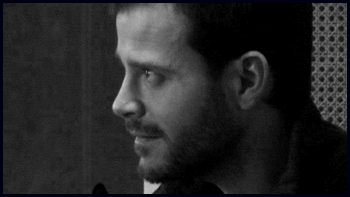

Biografía. / Biography.
Por vocación y formación, Arturo Echavarren ha combinado de manera regular la escritura teatral con el estudio de la Literatura. Licenciado en Filología Hispánica y en Filología Clásica y doctor en esta última disciplina, ha trabajado como docente e investigador en numerosas universidades y centros de investigación, como la Universidad Complutense de Madrid y el Consejo Superior de Investigaciones Científicas. Es autor de numerosos libros y artículos científicos, especialmente en el campo de la Literatura del Siglo de Oro, publicados en prestigiosas editoriales nacionales e internacionales. Formado como actor de commedia dell’arte con Patxi Larrea, Carlo Boso, Renato Gatto y Adriano Iurissevich, entre otros, fue director del grupo de teatro navarro de teatro clásico Koribantes. Como dramaturgo, además de numerosas adaptaciones de dramas clásicos, es autor de comedias como "Mozart para todos", estrenada en 2006 en el Centro Conde Duque de Madrid, dentro de la campaña Distrito Mozart, "Gangarilla o el día del acabose", finalista de los Premios Max 2013 en la categoría de espectáculo revelación y galardonada con el accésit del I Premio de Dramaturgia Alfonso Jiménez Romero, y "Nueve elefantes blancos", publicada en 2016 por la Fundación SGAE. El autor recibió en 2011 el premio Cultura Viva en la categoría de escritor revelación, que reconocía “la excelencia de sus piezas dramáticas y su importante aportación en la promoción y difusión de las formas clásicas del teatro”.
By vocation and training, Arturo Echavarren has consistently combined playwriting with the study of literature. He holds degrees in Hispanic Philology and Classical Philology, and a PhD in the latter discipline. He has worked as a teacher and researcher at numerous universities and research centers, including the Complutense University of Madrid and the Spanish National Research Council (CSIC). He is the author of numerous books and scholarly articles, particularly in the field of Golden Age literature, published by prestigious national and international publishers. Trained as a commedia dell’arte actor by Patxi Larrea, Carlo Boso, Renato Gatto, and Adriano Iurissevich, among others, he was also the director of the Navarrese classical theater group Koribantes. As a playwright, in addition to numerous adaptations of classical dramas, he is the author of comedies such as Mozart para todos (Mozart for Everyone), premiered in 2006 at the Conde Duque Cultural Center in Madrid as part of the Distrito Mozart campaign; Gangarilla o el día del acabose, a finalist for the 2013 Max Awards in the Best New Show category and recipient of the runner-up prize for the 1st Alfonso Jiménez Romero Playwriting Award; and Nueve elefantes blancos (Nine White Elephants), published in 2016 by the SGAE Foundation. In 2011, he received the Cultura Viva Award in the Emerging Writer category, recognizing “the excellence of his dramatic works and his significant contribution to the promotion and dissemination of classical theater forms.”
Escritura. / Style.
La dramaturgia de Arturo Echavarren, como deudor de las generaciones literarias que lo precedieron, está influida principalmente por los clásicos, desde Sófocles hasta Beckett, pasando por Lope de Vega, Shakespeare y Valle Inclán. Así, en sus obras se establece un diálogo dinámico entre la tradición clásica y la modernidad, lo cómico y lo trágico, lo real y lo onírico, y lo lírico y lo dramático. El perfeccionamiento de los mundos cómicos constituye asimismo una constante en su creación literaria, donde alcanza singular protagonismo la dimensión lúdica del lenguaje y su estilización. Considera que el teatro debe ser una herramienta de transformación de la conciencia al servicio del espíritu, como pedía Lorca. Por ello, en lo temático, prima lo universal sobre lo particular, para que la escena sea bruñido espejo y no cristal.
Arturo Echavarren’s playwriting, as a heir to the literary generations that preceded him, is primarily influenced by the classics—from Sophocles to Beckett, including Lope de Vega, Shakespeare, and Valle-Inclán. His works thus establish a dynamic dialogue between classical tradition and modernity, the comic and the tragic, the real and the dreamlike, the lyrical and the dramatic. The refinement of comic worlds is also a constant in his literary creation, where the playful dimension of language and its stylization take on a prominent role. He believes that theater should be a tool for the transformation of consciousness in service of the spirit, as Lorca once demanded. For this reason, thematically, the universal takes precedence over the particular, so that the stage becomes a polished mirror, not a mere pane of glass.
Obras. / Plays.
-
2016. EL CABALLERO DEL ESPEJO
-
Inédita
-
2016. MÁS ES EL RUIDO QUE LAS NUECES
-
Inédita
-
2016. SINFONÍA DE LOS TRES BOHEMIOS
-
Inédita
-
2015. NUEVE ELEFANTES BLANCOS
-
III Laboratorio de Escritura Teatral SGAE
Fundación SGAE, serie Teatro Autor 2016
-
2011. GANGARILLA. EL DÍA DEL ACABOSE
-
Corral de Comedias, Almagro
Premios MAX 2013, Nominado al Mejor Espectáculo Revelación + Accésit del I Premio de Dramaturgia Alfonso Jiménez Romero
-
2011. EL PEREGRINO DE SÍ MISMO
-
Inédita
-
Leyenda / Legend
-
Estreno / Premio / Beca / Publicación
Premiere / Award / Grant / Publication
Fundación SGAE, serie Teatro Autor 2016
Premios MAX 2013, Nominado al Mejor Espectáculo Revelación + Accésit del I Premio de Dramaturgia Alfonso Jiménez Romero
Premiere / Award / Grant / Publication
sus obras en / their works on

-
 2016 >60' 0 3
EL CABALLERO DEL ESPEJO
Arturo Echavarren -
 2011 >60' 0 1
EL PEREGRINO DE SÍ MISMO
Arturo Echavarren -
 2016 >60' 2 5
MÁS ES EL RUIDO QUE LAS NUECES
Arturo Echavarren -
 2016 >60' 0 3
SINFONÍA DE LOS TRES BOHEMIOS
Arturo Echavarren -
 2011 >60' 1 2
GANGARILLA. EL DÍA DEL ACABOSE
Arturo Echavarren -
 2015 >60' 1 5
NUEVE ELEFANTES BLANCOS
Arturo Echavarren
