
Éramos mujeres libres... ¡y parió la abuela!
Laurence Kam-Thong, 2024
sobre / about

Datos técnicos. / Technical details.
Duración
>60'
Duration
>60'
Personajes
5
Characters
5
Actrices
3
Actresses
3
Actores
1
Actors
1
Público
Adulto
Audience
Adult
Formato
Pequeño
Format
Small
Sinopsis. / Synopsis.
Miami. Años 2020. Eva, reina de la prensa rosa española, actriz de reality y tertuliana icónica de Telecorazones, está esperando dos bebés... que se están gestando en el útero de la migrante Lupe. Jaime, su leal abogado, le ha negociado una megaexclusiva con la revista ¡Olé! La noticia va a ser una bomba en todo el país. Los españoles recuerdan la muerte de Kiko, el querido hijo de Eva. Irrumpe Paz, periodista desempleada, activista LGBT feminista, hija/hijastra que Eva adoptó al casarse con otro tertuliano. El reencuentro entre madre e hija se revela tan explosivo como doloroso... y solo es la punta del iceberg. Poco a poco, Paz descubre con furia los entresijos del proyecto «exclusivo» de su segunda madre. No... no todo va a salir bien. Hay muchas cosas que decir, mucho dolor que cuesta poner en palabras. Y el destino también hace de las suyas...
Miami. The 2020s. Eva, queen of the Spanish gossip press, reality TV star and iconic panellist on Telecorazones, is expecting two babies... who are growing in the womb of Lupe, a migrant woman. Jaime, her loyal lawyer, has negotiated an exclusive mega-deal with ¡Olé! magazine. The news is going to be a bombshell across the country. Spaniards remember the death of Kiko, Eva’s beloved son. Paz bursts onto the scene: an unemployed journalist, feminist LGBT activist, and daughter/stepdaughter whom Eva adopted after marrying another TV panellist. The reunion between mother and daughter proves to be as explosive as it is painful... and it is only the tip of the iceberg. Little by little, Paz furiously uncovers the ins and outs of her second mother’s “exclusive” project. No... things are not going to end well. There is so much to say, so much pain that is difficult to put into words. And fate has a few tricks of its own...
Notas. / Notes on the piece.
Es una obra intensa, con sátira e ironía. Es una crítica social y un drama familiar. Temas principales: bioética, familia, filiación, reality TV y prensa rosa española (opio del pueblo y falso ideal cultural), consumismo, tecnología y mercantilización (de la vida privada, del propio cuerpo, del cuerpo de los demás, etc.). Mi enfoque inicial era la maternidad subrogada: he plasmado en el texto todos los aspectos socioeconómicos y psicológicos, así como los puntos de vista de quienes participan en este negocio global en expansión y de quienes se oponen a él. Al final, la trama central se articula en torno a las dinámicas sistémicas entre una madre viuda de su hijo, una hijastra adoptada y rebelde, un abogado (¿gay?) que cobra y procesa sin pensar, y una gestante inmigrante que cree que es libre, pero que solo es la trabajadora anónima de una industria con un gran ánimo de lucro. Se trata de violencia patriarcal, clasista y económica. Hay sorpresas, divulgación, lágrimas y risas. Una oportunidad para actrices que buscan personajes complejos y profundos.
It is an intense play, blending satire and irony. It is both a social critique and a family drama. Main themes include bioethics, family, filiation, reality TV and the Spanish gossip press (the opium of the people and a false cultural ideal), consumerism, technology and commodification (of private life, of one’s own body, of other people’s bodies, etc.). My initial focus was surrogacy: I have incorporated into the text the socioeconomic and psychological dimensions, as well as the perspectives of those involved in this rapidly expanding global industry and those who oppose it. Ultimately, the central plot revolves around the systemic dynamics between a mother who has lost her son, a rebellious adopted stepdaughter, a lawyer (gay?) who gets paid to process everything without thinking, and an immigrant surrogate who believes she is free, but is in fact merely the anonymous worker of a highly profit-driven industry. It is about patriarchal, class-based and economic violence. There are surprises, thought-provoking material, tears and laughter. An opportunity for actresses looking for complex, deeply layered characters.
Otros datos. / Other information.
Más información en www.laurencekamthong.org
sobre / about


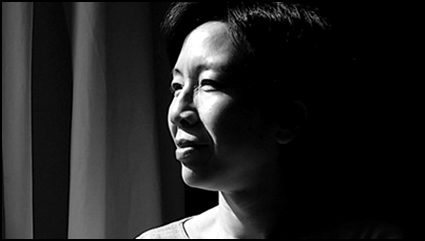
Biografía. / Biography.
Laurence es francesa de origen cantonés. Su padre creció en Madagascar, su madre en la isla de Reunión... y ella en la región de París. Pasa tiempo en Madrid cada año desde 2021, pero reside en Francia. Su proyecto es mudarse a España en los próximos años. Escribió su primera obra con 10 años, al descubrir el teatro a través de «El enfermo imaginario». Escribió mucho hasta el bachillerato (teatro, relatos cortos, narrativa histórica, ciencia ficción, novela policíaca, artículos de prensa, sinopsis de series de TV, panfletos contra los profes también). Sus profesores de francés pensaban que tenía potencial para ser escritora, pero nunca se lo tomó en serio, ni sus padres. (No hay escritores en la familia.) Dejó de escribir para preparar los exámenes de ingreso en las escuelas de negocios. Pasó unos 15 años en el mundo corporativo en Asia y Europa. Tardó mucho en volver al teatro y a la escritura. Fue como si hubiera decidido probar antes todas las otras artes (bellas artes, terapéuticas) para evitar enfrentarse a sus demonios. Estudió para ser terapeuta, descubrió las constelaciones familiares, la medicina holística, luego el coaching, la codependencia, los riesgos psicosociales, etc. Después de dejar su empresa en 2014, estudió guionismo y teorías dramatúrgicas con Jean-Marie Roth, profesor en escuelas de cine y script doctor. Enhorabuena, logró las herramientas que le faltaban para crear obras eficaces de nivel profesional.
Laurence is French of Cantonese origin. Her father grew up in Madagascar, her mother on Réunion Island... and she grew up in the Paris region. She has spent time in Madrid every year since 2021, but lives in France. Her plan is to move to Spain in the coming years. She wrote her first play at the age of 10, after discovering theatre through The Imaginary Invalid. She wrote extensively until she finished high school (plays, short stories, historical fiction, science fiction, crime fiction, press articles, TV series synopses, and even pamphlets against her teachers). Her French teachers thought she had the potential to become a writer, but she never took the idea seriously, nor did her parents. (There are no writers in the family.) She stopped writing to prepare for entrance exams to business schools. She spent around 15 years in the corporate world in Asia and Europe. It took her a long time to return to theatre and writing. It was as if she had decided to try all the other arts (fine arts, therapeutic arts) first, in order to avoid confronting her demons. She trained as a therapist and discovered family constellations, holistic medicine, then coaching, codependency, psychosocial risks, and so on. After leaving her company in 2014, she studied screenwriting and dramaturgical theory with Jean-Marie Roth, a professor at film schools and a script doctor. At last, she acquired the tools she had been missing to create effective, professional-level plays.
Escritura. / Style.
«Creo historias intensas sobre temas poco abordados en los teatros. Plasmo toda mi experiencia personal y laboral en mis obras, y quiero dar un lugar a personas invisibles o silenciadas. Mis obras son como constelaciones familiares: hablan de lo que se queda en la sombra. Pero también nos reímos de lo absurdo de ese mundo. Me gusta escribir sobre temas sociales y explorar los misterios del ser humano, especialmente en la época hipercompulsiva actual. Tengo una visión sincrética y holística del mundo; me gusta explorar las dinámicas económicas, sistémicas y sociales de un ecosistema. Los temas que me inspiran son la bioética, el consumismo, el capitalismo salvaje, las cuestiones éticas y de filiación, la mercantilización del ser humano, el transhumanismo (el ser humano aumentado) y cómo somos víctimas y actores de estas dinámicas globales. Me importa que el público aprenda y reflexione mientras se divierte y se ríe, que pueda cuestionar sus certezas, sus creencias y sus patrones compulsivos para vivir en conciencia. Quiero que mis obras provoquen el debate entre el público al salir del teatro. Me gustaría ver mis textos interpretados por distintos grupos y elencos. Quiero que mis obras sean un espacio para la creatividad escénica, que cada grupo pueda crear su propia versión. Espero que puedan ayudar a los artistas a crecer. Me gusta participar en las sesiones de lectura y ensayos y apoyar a los grupos que se lanzan (buscar patrocinadores, promoción).» (Laurence Kam-Thong).
«I create intense stories about subjects that are rarely addressed in theatre. I draw on all my personal and professional experience in my work, and I want to give a voice to people who are invisible or silenced. My plays are like family constellations: they speak about what remains in the shadows. But we also laugh at the absurdity of that world. I like writing about social issues and exploring the mysteries of human nature, especially in today’s hyper-compulsive age. I have a syncretic and holistic view of the world; I like exploring the economic, systemic and social dynamics of an ecosystem. The themes that inspire me include bioethics, consumerism, unbridled capitalism, ethical and questions of filiation, the commodification of human beings, transhumanism (the augmented human), and the ways in which we are both victims and agents of these global dynamics. It matters to me that audiences learn and reflect while also having fun and laughing, and that they can question their certainties, beliefs and compulsive patterns in order to live more consciously. I want my plays to spark debate among audiences as they leave the theatre. I would like to see my texts performed by different groups and ensembles. I want my plays to be a space for theatrical creativity, allowing each group to create its own version. I hope they can help artists grow. I enjoy taking part in readings and rehearsals and supporting groups as they embark on new productions (finding sponsors, promotion).» (Laurence Kam-Thong).
Obras. / Plays.
-
2025. LA SANGRE NUNCA MIENTE, ¿O SÍ? (MARCO + LÉA = ?)
-
Inédita
-
2024. ÉRAMOS MUJERES LIBRES... ¡Y PARIÓ LA ABUELA!
-
Inédita
-
2019. SALLE D’ATTENTE(S) - PETITES HISTOIRES DE PÉRINÉE
-
Escrita con Hélène Coulombeix
Lectura dramatizada y coloquio en Madrid, Academia France-Madrid, 2026 + Lectura dramatizada y coloquio en Paris, Neoma Business School, 2020
«Sala de espera(s) - Monólogos del perineo», traducción al español, 2026
-
2018. LE TRAVAIL C KE DU BONHEUR! / EL TRABAJO, ¡QUÉ FELICIDAD!
-
Escrita con Hélène Coulombeix
-
Leyenda / Legend
-
Estreno / Premio / Beca / Publicación
Premiere / Award / Grant / Publication
Lectura dramatizada y coloquio en Madrid, Academia France-Madrid, 2026 + Lectura dramatizada y coloquio en Paris, Neoma Business School, 2020
«Sala de espera(s) - Monólogos del perineo», traducción al español, 2026
Premiere / Award / Grant / Publication
sus obras en / their works on

-
 2024 >60' 3 1
ÉRAMOS MUJERES LIBRES... ¡Y PARIÓ LA ABUELA!
Laurence Kam-Thong -
 2019 >60' 1 1
SALLE D’ATTENTE(S) - PETITES HISTOIRES DE PÉRINÉE
Laurence Kam-Thong y Hélène Coulombeix -
2025 30'-60' 1 1
LA SANGRE NUNCA MIENTE, ¿O SÍ? (MARCO + LÉA = ?)
Laurence Kam-Thong -
 2018 >60' 4 2
LE TRAVAIL C KE DU BONHEUR!
Laurence Kam-Thong y Hélène Coulombeix