
Ricardo Klement
Carsten Ahrenholz, 2020
sobre / about

Datos técnicos. / Technical details.
Duración
>60'
Duration
>60'
Personajes
2
Characters
2
Actrices
0
Actresses
0
Actores
2
Actors
2
Público
Adulto
Audience
Adult
Formato
Pequeño
Format
Small
Sinopsis. / Synopsis.
1962. Una celda en la prisión de Ayalon, en Tel Aviv. Después del secuestro de Adolf Eichmann en Argentina (donde había vivido bajo el nombre Ricardo Klement), el detenido se encuentra en régimen de aislamiento. Está bajo la supervisión constante de un policía que comparte la celda con él y tiene prohibido hablar con el prisionero. Además, no sabe alemán. Sin embargo, entiende algo de español debido a su ascendencia sefardí. Eichmann se percata de esto y alterna monólogos en alemán con otros fragmentos en español, dirigidos a este funcionario. Se escoge por sorteo al verdugo de Eichmann y la suerte recae precisamente en el funcionario al que Eichmann se había dirigido en español. Este se niega a ejecutar la orden. Eichmann sabe lo que significa recibir órdenes y ejecutarlas en obediencia ciega. Toda su defensa se había basado en la afirmación de no haber tenido otra opción. Congruentemente, le recuerda al oficial su deber de obedecer y lo alienta a tomarle a él mismo como modelo.
1962. A cell in Ayalon Prison. After the kidnapping of Adolf Eichmann in Argentina — where he had been living under the name Ricardo Klement — the prisoner is being held in solitary confinement. He is under the constant supervision of a police officer who shares the cell with him and has been strictly forbidden from speaking to the prisoner. The officer does not know German, although, because of his Sephardic background, he understands some Spanish. Eichmann notices this and alternates monologues in German with fragments in Spanish addressed directly to the officer. When the executioner who will carry out Eichmann’s sentence is chosen by lottery, fate assigns the task precisely to the officer to whom Eichmann had spoken in Spanish. The officer refuses to obey the order. Eichmann, who knows well what it means to receive and execute orders in blind obedience, had based his entire defence on the claim that he had had no other choice. Consistent with that argument, he reminds the officer of his duty to obey and urges him to take Eichmann himself as a model.
Notas. / Notes on the piece.
"Ricardo Klement" presenta un diálogo imposible entre el organizador del Holocausto, Adolf Eichmann, y un policía judío, ambos encerrados en la celda de Eichmann. Imposible, porque al agente le está estrictamente prohibido hablar con el preso. Y, sin embargo, se desarrolla una extraña relación entre los dos, una especie de acuerdo tácito entre el verdugo y el condenado.
Ricardo Klement presents an impossible dialogue between the architect of the Holocaust, Adolf Eichmann, and a Jewish police officer, both confined within Eichmann’s cell. Impossible, because the officer is strictly forbidden from speaking to the prisoner. And yet, a strange relationship gradually develops between them — a kind of tacit agreement between the executioner and the condemned man.
Otros datos. / Other information.
Publicación: Edicions ítaca
Nota: esta obra contiene fragmentos en alemán que requieren sobretítulos
sobre / about



Biografía. / Biography.
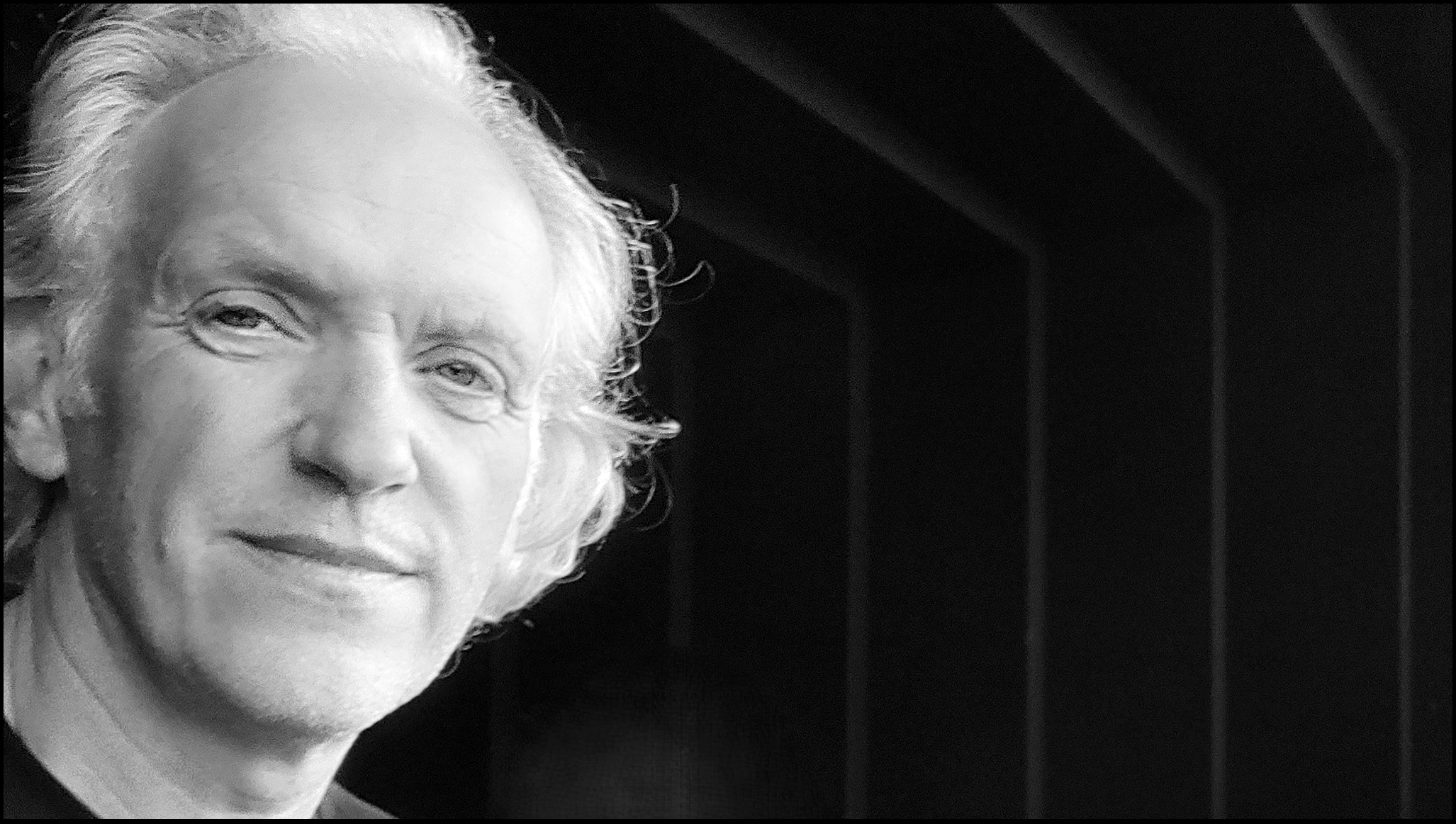
Inicialmente, Carsten Ahrenholz quería ser pintor y estudió Bellas Artes en Colonia (Alemania). Allí entró en contacto con la clase de escenografía, realizó unas prácticas con Pina Bausch en Wuppertal y, aún siendo estudiante, comenzó a trabajar como asistente de un escenógrafo de gran éxito en el Teatro de Colonia. A esta época se remontan sus primeros intentos literarios. A mediados de los años 80, Ahrenholz abandonó su carrera como escenógrafo para dedicarse a la escritura. En 1986 se trasladó a Barcelona, donde reside desde entonces. Su primer texto en español, un ensayo sobre el espacio escénico, se publicó en 1991 en una revista de teatro. Le siguieron obras de teatro en español, pero también en catalán, alemán e inglés. Su primera obra de teatro se estrenó en 1993 en la Sala Beckett de Barcelona. Su primera novela fue publicada en 2005 por Ediciones Destino. Ahrenholz también ha dirigido varias obras de teatro.
Initially, Carsten Ahrenholz wanted to become a painter and studied Fine Arts in Cologne (Germany). There, he came into contact with stage design, completed an internship with Pina Bausch in Wuppertal, and, while still a student, began working as an assistant to a highly successful set designer at the Cologne Theatre. His first literary attempts date back to this period. In the mid-1980s, Ahrenholz abandoned his career as a set designer to dedicate himself to writing. In 1986 he moved to Barcelona, where he has lived ever since. His first text in Spanish, an essay on stage space, was published in 1991 in a theatre journal. This was followed by plays written in Spanish, as well as in Catalan, German and English. His first play was premiered in 1993 at the Sala Beckett. His first novel was published in 2005 by Ediciones Destino. Ahrenholz has also directed several theatre productions.
Escritura. / Style.
«Vengo del mundo de las imágenes. Por eso me vuelvo escéptico cuando empiezo a narrar historias. Prefiero describir situaciones: imágenes, atmósferas, gestos. Así, cada espectador o lector es libre de contemplar estas instantáneas y hacer con ellas lo que le parezca. Mis héroes solitarios son «seres arrojados» en el sentido heideggeriano: personas atrapadas en sus cuerpos y enredadas en sus estructuras personales y socioculturales, personajes que intentan orientarse en un mundo extraño. No me interesan los papeles de víctimas, a menos que los personajes sean víctimas de sí mismos. Porque solo esta certeza puede servir de algo. «El ser humano es el único ser que se niega a ser lo que es». Esta famosa frase de Albert Camus describe un rasgo que es a la vez trágico y cómico. Probablemente de ahí provenga mi predilección por la tragicomedia. La crítica más bonita que he recibido hasta ahora fue el comentario de una lectora: «Dices tanto con tan poco». Eso es lo que intento cuando escribo.» (Carsten Ahrenholz).
«I come from the world of images. That is why I become sceptical when I start telling stories. I prefer to describe situations: images, atmospheres, gestures. In this way, each spectator or reader is free to contemplate these snapshots and make of them what they will. My solitary heroes are “thrown beings” in the Heideggerian sense: individuals trapped within their bodies and entangled in their personal and sociocultural structures, characters trying to find their way in an alien world. I am not interested in victim roles, unless the characters are victims of themselves. Because only that certainty can be of any use. “Man is the only creature who refuses to be what he is.” This famous phrase by Albert Camus describes a trait that is both tragic and comic. That is probably where my preference for tragicomedy comes from. The most beautiful critique I have received so far was a reader’s comment: “You say so much with so little.” That is what I try to achieve when I write.» (Carsten Ahrenholz).
Obras. / Plays.
-
2022. ARTISTA CANTANTE GUARDIA
-
Inédita
-
2021. LA SILLA VACANTE
-
Texto en inglés muy básico, hablado por no nativos
-
2020. RICARDO KLEMENT
-
Texto bilingüe español-alemán
Edicions Ítaca
-
2018. LAC LUNAE
-
Texto en catalán
-
2016. ÉSSERS
-
Texto en catalán
(Lectura dramatizada) Sala Beckett, Barcelona
-
2015. BLAUE BLUMEN
-
Texto en alemán
-
2014. TOFU
-
Finalista del "Buzón de textos" del Teatro Nacional de Cataluña
Arola Editors, Textos aparte
-
1995. PLUSCUAMPERFECTO
-
Sala Beckett, Barcelona
-
1994. SANTO DOMINGO
-
Finalista del Premio Born de teatro
Revista "Escena", número 36
-
1993. AMANDA
-
Sala Beckett, Barcelona
Revista "Escena", número 12
-
Leyenda / Legend
-
Estreno / Premio / Beca / Publicación
Premiere / Award / Grant / Publication
Edicions Ítaca
(Lectura dramatizada) Sala Beckett, Barcelona
Arola Editors, Textos aparte
Revista "Escena", número 36
Revista "Escena", número 12
Premiere / Award / Grant / Publication
sus obras en / their works on

-
 1994 >60' 4 4
SANTO DOMINGO
Carsten Ahrenholz -
 1993 30'-60' 1 3
AMANDA
Carsten Ahrenholz -
 2014 >60' 3 4
TOFU
Carsten Ahrenholz -
 2020 >60' 0 2
RICARDO KLEMENT
Carsten Ahrenholz -
 1995 >60' 1 1
PLUSCUAMPERFECTO
Carsten Ahrenholz -
2021 30'-60' 1-2 2-1
LA SILLA VACANTE
Carsten Ahrenholz -
2022 30'-60' 0-3 3-0
ARTISTA CANTANTE GUARDIA
Carsten Ahrenholz
sus traducciones en / their translations on
-
1994 >60' 4 4 GER
SANTO DOMINGO
Carsten Ahrenholz -
1993 30'-60' 1 3 GER
AMANDA
Carsten Ahrenholz -
2014 >60' 3 4 GER
TOFU
Carsten Ahrenholz -
2020 >60' 0 2 GER
RICARDO KLEMENT
Carsten Ahrenholz -
 2021 30'-60' 1-2 2-1 ENG
THE EMPTY CHAIR
Carsten Ahrenholz -
 2021 30'-60' 1-2 2-1 GER
DER LEERE STUHL
Carsten Ahrenholz -
 2021 30'-60' 1-2 2-1 CAT
LA CADIRA BUIDA
Carsten Ahrenholz
