
Amanda
Carsten Ahrenholz, 1993
sobre / about

Datos técnicos. / Technical details.
Duración
30'-60'
Duration
30'-60'
Personajes
4
Characters
4
Actrices
1
Actresses
1
Actores
3
Actors
3
Público
Adulto
Audience
Adult
Formato
Mediano
Format
Medium
Sinopsis. / Synopsis.
Una anciana que vive sola recibe regularmente la visita de dos de sus antiguos amantes. Por un lado, la mujer siente gratitud por esas visitas, pero también reconoce en ellas la causa de su soledad. La obra juega con el mecanismo repetitivo de la memoria y del teatro. Las repeticiones son inevitables y necesarias, tanto en la memoria como en el escenario. Pero la memoria manipula lo ocurrido, de forma inevitable y necesaria también. Por eso, el diálogo que surge entre esta mujer y sus antiguos amantes oscila entre malentendidos, complicidad, dependencias y el deseo de liberarse del pasado. Además, "Amanda" es un intento de conciliar el mundo fantástico de la imaginación y la memoria con el presente puramente material.
An elderly woman who lives alone is regularly visited by two of her former lovers. On the one hand, she feels grateful for their visits, but she also recognises them as the cause of her loneliness. The play plays with the repetitive mechanisms of memory and theatre. Repetition is inevitable and necessary, both in memory and on stage. But memory also inevitably and necessarily manipulates what happened. This is why the dialogue that emerges between the woman and her former lovers oscillates between misunderstandings, complicity, dependency and the desire to free themselves from the past. In addition, Amanda is an attempt to reconcile the fantastical world of imagination and memory with the purely material present.
Notas. / Notes on the piece.
«"Amanda" es sin duda el texto mejor escrito que ha salido de los talleres de dramaturgia de la Sala Beckett. Es una obra con brío en el diálogo, con brillo literario, con saltos en los registros sin altibajos ni disonancias. Al acabar de ver "Amanda", confieso que mantuve unos instantes de perplejidad, sin saber bien qué cuenta la obra, pero qué bien contado está. [...] en el discriminador de recuerdos, el de "Amanda" seguro que es uno de los que van a pervivir en una mayoría de espectadores. No es de extrañar, pues, que "Amanda" se vea sometida a una merecida prórroga.» Crítica de Albert de la Torre (El País).
“Amanda is undoubtedly the best-written text to have emerged from the playwriting workshops at Sala Beckett. It is a work with verve in its dialogue, literary brilliance, and shifts in register without any ups and downs or dissonance. When I finished watching Amanda, I confess that I was left perplexed for a few moments, not quite sure what the play is about, but thinking: how beautifully it is told. [...] In the memory discriminator, Amanda will surely be one of those that endure in the minds of the majority of spectators. It is therefore no surprise that Amanda has been granted a well-deserved extension.” Review by Albert de la Torre (El País).
Otros datos. / Other information.
Estreno: Sala Beckett, Barcelona
Revista "Escena", número 12
sobre / about


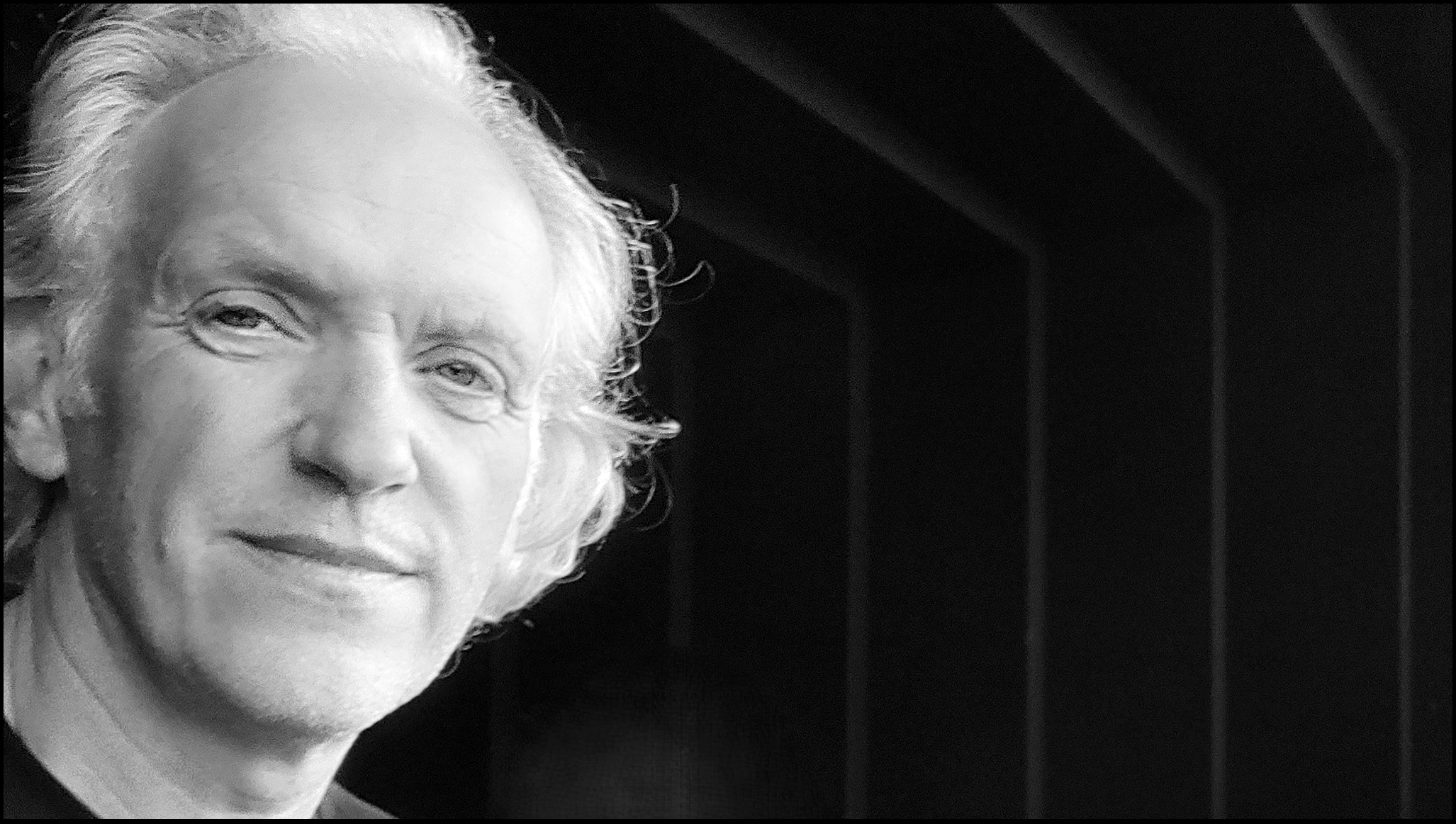

Biografía. / Biography.
Inicialmente, Carsten Ahrenholz quería ser pintor y estudió Bellas Artes en Colonia (Alemania). Allí entró en contacto con la clase de escenografía, realizó unas prácticas con Pina Bausch en Wuppertal y, aún siendo estudiante, comenzó a trabajar como asistente de un escenógrafo de gran éxito en el Teatro de Colonia. A esta época se remontan sus primeros intentos literarios. A mediados de los años 80, Ahrenholz abandonó su carrera como escenógrafo para dedicarse a la escritura. En 1986 se trasladó a Barcelona, donde reside desde entonces. Su primer texto en español, un ensayo sobre el espacio escénico, se publicó en 1991 en una revista de teatro. Le siguieron obras de teatro en español, pero también en catalán, alemán e inglés. Su primera obra de teatro se estrenó en 1993 en la Sala Beckett de Barcelona. Su primera novela fue publicada en 2005 por Ediciones Destino. Ahrenholz también ha dirigido varias obras de teatro.
Initially, Carsten Ahrenholz wanted to become a painter and studied Fine Arts in Cologne (Germany). There, he came into contact with stage design, completed an internship with Pina Bausch in Wuppertal, and, while still a student, began working as an assistant to a highly successful set designer at the Cologne Theatre. His first literary attempts date back to this period. In the mid-1980s, Ahrenholz abandoned his career as a set designer to dedicate himself to writing. In 1986 he moved to Barcelona, where he has lived ever since. His first text in Spanish, an essay on stage space, was published in 1991 in a theatre journal. This was followed by plays written in Spanish, as well as in Catalan, German and English. His first play was premiered in 1993 at the Sala Beckett. His first novel was published in 2005 by Ediciones Destino. Ahrenholz has also directed several theatre productions.
Escritura. / Style.
«Vengo del mundo de las imágenes. Por eso me vuelvo escéptico cuando empiezo a narrar historias. Prefiero describir situaciones: imágenes, atmósferas, gestos. Así, cada espectador o lector es libre de contemplar estas instantáneas y hacer con ellas lo que le parezca. Mis héroes solitarios son «seres arrojados» en el sentido heideggeriano: personas atrapadas en sus cuerpos y enredadas en sus estructuras personales y socioculturales, personajes que intentan orientarse en un mundo extraño. No me interesan los papeles de víctimas, a menos que los personajes sean víctimas de sí mismos. Porque solo esta certeza puede servir de algo. «El ser humano es el único ser que se niega a ser lo que es». Esta famosa frase de Albert Camus describe un rasgo que es a la vez trágico y cómico. Probablemente de ahí provenga mi predilección por la tragicomedia. La crítica más bonita que he recibido hasta ahora fue el comentario de una lectora: «Dices tanto con tan poco». Eso es lo que intento cuando escribo.» (Carsten Ahrenholz).
«I come from the world of images. That is why I become sceptical when I start telling stories. I prefer to describe situations: images, atmospheres, gestures. In this way, each spectator or reader is free to contemplate these snapshots and make of them what they will. My solitary heroes are “thrown beings” in the Heideggerian sense: individuals trapped within their bodies and entangled in their personal and sociocultural structures, characters trying to find their way in an alien world. I am not interested in victim roles, unless the characters are victims of themselves. Because only that certainty can be of any use. “Man is the only creature who refuses to be what he is.” This famous phrase by Albert Camus describes a trait that is both tragic and comic. That is probably where my preference for tragicomedy comes from. The most beautiful critique I have received so far was a reader’s comment: “You say so much with so little.” That is what I try to achieve when I write.» (Carsten Ahrenholz).
Obras. / Plays.
-
2022. ARTISTA CANTANTE GUARDIA
-
Inédita
-
2021. LA SILLA VACANTE
-
Texto en inglés muy básico, hablado por no nativos
-
2020. RICARDO KLEMENT
-
Texto bilingüe español-alemán
Edicions Ítaca
-
2018. LAC LUNAE
-
Texto en catalán
-
2016. ÉSSERS
-
Texto en catalán
(Lectura dramatizada) Sala Beckett, Barcelona
-
2015. BLAUE BLUMEN
-
Texto en alemán
-
2014. TOFU
-
Finalista del "Buzón de textos" del Teatro Nacional de Cataluña
Arola Editors, Textos aparte
-
1995. PLUSCUAMPERFECTO
-
Sala Beckett, Barcelona
-
1994. SANTO DOMINGO
-
Finalista del Premio Born de teatro
Revista "Escena", número 36
-
1993. AMANDA
-
Sala Beckett, Barcelona
Revista "Escena", número 12
-
Leyenda / Legend
-
Estreno / Premio / Beca / Publicación
Premiere / Award / Grant / Publication
Edicions Ítaca
(Lectura dramatizada) Sala Beckett, Barcelona
Arola Editors, Textos aparte
Revista "Escena", número 36
Revista "Escena", número 12
Premiere / Award / Grant / Publication
sus obras en / their works on

-
 1994 >60' 4 4
SANTO DOMINGO
Carsten Ahrenholz -
 1993 30'-60' 1 3
AMANDA
Carsten Ahrenholz -
 2014 >60' 3 4
TOFU
Carsten Ahrenholz -
 2020 >60' 0 2
RICARDO KLEMENT
Carsten Ahrenholz -
 1995 >60' 1 1
PLUSCUAMPERFECTO
Carsten Ahrenholz -
2021 30'-60' 1-2 2-1
LA SILLA VACANTE
Carsten Ahrenholz -
2022 30'-60' 0-3 3-0
ARTISTA CANTANTE GUARDIA
Carsten Ahrenholz
sus traducciones en / their translations on
-
1994 >60' 4 4 GER
SANTO DOMINGO
Carsten Ahrenholz -
1993 30'-60' 1 3 GER
AMANDA
Carsten Ahrenholz -
2014 >60' 3 4 GER
TOFU
Carsten Ahrenholz -
2020 >60' 0 2 GER
RICARDO KLEMENT
Carsten Ahrenholz -
 2021 30'-60' 1-2 2-1 ENG
THE EMPTY CHAIR
Carsten Ahrenholz -
 2021 30'-60' 1-2 2-1 GER
DER LEERE STUHL
Carsten Ahrenholz -
 2021 30'-60' 1-2 2-1 CAT
LA CADIRA BUIDA
Carsten Ahrenholz
