
Te mandaré una carta
Raúl Hernández Garrido, 2004
sobre / about

Datos técnicos. / Technical details.
Duración
30'-60'
Duration
30'-60'
Personajes
2
Characters
2
Actrices
1
Actresses
1
Actores
1
Actors
1
Público
Infantil
Audience
Child
Formato
Pequeño
Format
Small
Sinopsis. / Synopsis.
Elena se ha quedado sola en casa. Sus padres y su hermana han desaparecido. Ella observa que no es la única niña del colegio a la que le ocurre lo mismo. Cuando ve que a Alejandro sufre el mismo problema, no lo duda. Lo acoge con ella, para así protegerse ambos del ataque de los narigudos.
Elena has been left alone at home. Her parents and her sister have disappeared. She notices that she is not the only child at school to whom this is happening. When she sees that Alejandro is suffering the same problem, she does not hesitate. She takes him in with her, so that together they can protect themselves from the attack of the “narigudos.”
Notas. / Notes on the piece.
La primera idea de este proyecto surgió a la sombra de la inteligente y sensible mano de Suzanne Lebeau, que me hizo comprender algo que ya sabía. Los niños son también inteligentes y sensibles, y no se dejan engañar fácilmente. Suzanne me recriminó que hiciera lo que hacen muchos dramaturgos cuando pretenden escribir para niños. Creer que es muy fácil, y ajustarse a tópicos impuestos por grandes (y también pequeños) comerciantes y que alejan al niño de la realidad. Los niños son muy, muy listos. Y yo intento escribir para ellos con todo mi respeto. Para que entre ellos y yo y nosotros, los mayores, podamos comprender mucho mejor este mundo tan complicado. Muchas gracias a mis hijos, Elena de 5, Alejandro de 2. Muchas gracias a Suzanne.
The initial idea for this project arose in the shadow of the intelligent and sensitive guidance of Suzanne Lebeau, who helped me understand something I already knew: children are also intelligent and sensitive, and they are not easily fooled. Suzanne reproached me for doing what many playwrights do when they set out to write for children—believing it is easy, and resorting to clichés imposed by major (and also minor) commercial interests that distance the child from reality. Children are very, very clever. And I try to write for them with full respect, so that between them and me, and between us and the adults, we may come to understand much better this very complicated world. Many thanks to my children, Elena (5) and Alejandro (2). Many thanks to Suzanne.
Otros datos. / Other information.
Beca de la Comunidad de Madrid a la Creación de Textos Dramáticos
Publicación: AAT / Comunidad de Madrid 2006
sobre / about


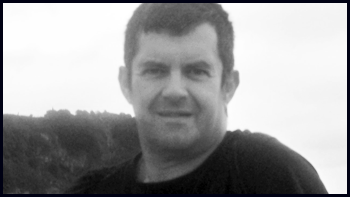

Biografía. / Biography.
Raúl Hernández Garrido es escritor, guionista y realizador audiovisual. Reconocido con los premios de teatro Calderón de la Barca, Lope de Vega, Born, El Espectáculo Teatral, Rojas Zorrilla, SGAE, La Jarra Azul, Paso de Gato/Artez de Ensayo Teatral, Francisco Nieva y finalista del Premio Nacional de Literatura Dramática. Desde 1994 estrena y publica con frecuencia, siendo traducido y representado en varios idiomas y extendiéndose su difusión por toda América. "La persistencia de la imagen" formó parte de la antología "Teatro breve entre dos siglos" de Cátedra Letras Hispánicas. Fue producida por el Centro Dramático Nacional y programada en el Teatro María Guerrero (2005). También ha participado en otras antologías, entre ellas, "Teatro breve español", en Clásicos Castalia (2013). Ha escrito narrativa, publicado varios relatos y la novela "Abrieron las ventanas" (Premio de Novela Irreverentes, Ediciones Irreverentes, 2009). Ha dirigido los largometrajes "Escuadra hacia la muerte" (2007), "Antes de morir piensa en mí" (2008), "24 horas en la vida de Querejeta" (2012) y "José Luis Gómez. La máscara y la palabra". Dirigió para TVE el espacio de documentales "Extras" (2008-2011).
Raúl Hernández Garrido is a writer, screenwriter, and audiovisual director. He has received various theater awards, including the Calderón de la Barca, Lope de Vega, Born, El Espectáculo Teatral, Rojas Zorrilla, SGAE, La Jarra Azul, Paso de Gato/Artez de Ensayo Teatral, Francisco Nieva, and was a finalist for the National Prize for Dramatic Literature. Since 1994, he has frequently premiered and published works that have been translated and performed in several languages, gaining recognition across Latin America. His play La persistencia de la imagen was included in the anthology Teatro breve entre dos siglos by Cátedra Letras Hispánicas and was produced by the National Dramatic Centre, scheduled at the María Guerrero Theatre (2005). He has also contributed to other anthologies, including Teatro breve español by Clásicos Castalia (2013). Hernández Garrido has written narrative works, publishing several short stories and the novel Abrieron las ventanas (Irreverentes Novel Prize, Irreverentes Editions, 2009). He has directed feature films such as Escuadra hacia la muerte (2007), Antes de morir piensa en mí (2008), 24 horas en la vida de Querejeta (2012), and José Luis Gómez. La máscara y la palabra. He also directed the documentary series Extras for TVE (2008–2011).
Escritura. / Style.
«Autor de un teatro formalmente desafiante y sin embargo gratificante, Raúl Hernández Garrido destaca por su óptica escudriñadora, impávida ante los huecos que dividen lo falso y lo auténtico.» (Dave Hitchcock). «Raúl Hernández Garrido trabaja la tragedia con una deliberada intención de hacer reflexionar al lector/espectador acerca de la violencia, la falta de identidad, la fragmentación y el trauma en el contexto de la actualidad histórica.» (Pilar Pérez). «La tragedia es el marco intemporal de su buena parte de su escritura; y el mito, también reinventado, está apuntalado por la razón critica, social y actualísima de su teatro. El autor tiene muy clara la función social del teatro y la contextualización de la idea de tragedia: para él, el teatro es un hecho con implicaciones sociales y políticas y es, a la vez, una celebración.» (Javier Villán). «Raúl Hernández Garrido opta por una estética posmoderna, por el empleo de lo lúdico, los puzzles, la indagación, la perspectiva pluralista, las transgresiones espacio-temporales, la estructura abierta, la sincronía, la repetición y lo metateatral. La indagación metafísica y la mirada crítica son ingredientes habituales en la dramaturgia de Hernández Garrido.» (Alison Guzmán).
«The author of a formally challenging yet gratifying drama, Raúl Hernández Garrido stands out for his scrutiny, undaunted by the gaps dividing falsehoods and truths.” (Dave Hitchcock) “Raúl Hernández Garrido writes tragedies that make the reader/spectator reflect on violence, the lack of identity, fragmentation and trauma in the context of modern society.” (Pilar Pérez) “Tragedy is the timeless framework of a hefty chunk of his writing; and myth, also reinvented, is underpinned by the critical, social and contemporary reasoning of his theatre. The author has a well-defined vision of the social function of theatre and the contextualisation of the idea of tragedy: for him, theatre is an activity with social and political implications, while also being, at the same time, a celebration.” (Javier Villán) “Raúl Hernández Garrido opts for a post-modern aesthetic and the use of fun elements, puzzles, investigation, the pluralist perspective, space-time transgressions, open structures, synchrony, repetition and the meta-theatrical. Metaphysical investigation and critical perspectives are commonly found in Hernández Garrido’s plays.» (Alison Guzmán).
Obras. / Plays.
-
2017. NANA BAJO LA CAMA
-
Estreno, Cuadernos del Teatro Español Contemporáneo
-
2016. CARDENIO Y EL SOLDADO
-
Premio Francisco Nieva 2016
Centro Dramático Rural, 2016
-
2015. XXX@SEX.COM
-
Antología de la comedia, Ediciones Irreverentes, 2015
-
2014. SEGUNDA ESTRELLA
-
I Festival SURGE, Sala DT, Madrid, 2014
Ediciones Núa, 2016
-
2013. MEMORIA DE 7 DÍAS
-
Revista En sentido figurado, EEUU, 2013
-
2012. EN TUS MANOS
-
Sibila: revista de arte, música y literatura, nº 41. Sevilla, 2013
-
2012. !!! / EL PROCEDIMIENTO
-
Sala Teatro Cuarta Pared, Madrid
Premio La Jarra Azul
Ediciones Invasoras
-
2011. EL CANTO DE LAS SIRENAS
-
Dentro de "Mein Kapital", obra colectiva
Coproducción entre Teatro de la Estación, Teatro del Astillero y Teatro Tantarantana. Zaragoza, Barcelona, Madrid
Ediciones Invasoras + Estreno. Cuadernos del Teatro Español Contemporáneo
-
2008. TODOS LOS QUE QUEDAN
-
Teatro Fernán Gómez, Centro Cultural de la Villa, Madrid
Edit.um, Ediciones de la Universidad de Murcia
-
2008. EL MURO
-
Extracto en "Los Mares de Caronte. Diecisiete calas dramáticas sobre migraciones", editado por Concha Fernández Soto. Ediciones Fundamentos, 2016. ISBN-13: 978-8424513450
-
2005. JUEGO DE 2 / LA PERSISTENCIA DE LA IMAGEN
-
Centro Dramático Nacional, Madrid
Premio de la ADE José Luis Alonso 1998 a la mejor dirección novel a Carlos Rodríguez por el montaje de FOTOS, del que formaba parte en su versión breve
Primer Acto, Madrid, Octubre 2008
-
2004. GESTAS DE PAPÁ UBÚ
-
Teatro Guerra, Lorca, Murcia
Ediciones Anagnórisis (publicación electrónica)
-
2004. TE MANDARÉ UNA CARTA
-
Beca de la Comunidad de Madrid a la Creación de Textos Dramáticos
AAT / Comunidad de Madrid 2006
-
2001. SI UN DÍA ME OLVIDARAS
-
Sala Cuarta Pared, Madrid
Premio Born de Teatro 2000
Primer Acto, Madrid, noviembre 2001
Editorial Caos, Madrid (edición electrónica)
Editorial Arola, Tarragona (en catalán)
-
2001. LOS SUEÑOS DE LA CIUDAD / SOTOVOCE
-
Sala Cuarta Pared, Madrid
Finalista en el Premio José Luis Alonso a la mejor dirección escénica, ADE, 2004
Premio El Espectáculo Teatral 2008
Ediciones Irreverentes, Madrid 2008
-
2000. ECLIPSES
-
Teatro Guillermo Barney Materón, Palmira, Colombia
La Ratonera, 2002
-
1997. LOS RESTOS FEDRA
-
RESAD, Madrid
Accésit al Premio SGAE de Teatro 1998
En "Los restos", colección SGAE de teatro nº 108, Madrid, 1999
-
1996. LOS RESTOS AGAMENÓN VUELVE A CASA
-
Teatro Madách, Budapest
Premio Rojas Zorrilla 1996
Ayuntamiento de Toledo, Teatro del Astillero
-
1996. CALIBÁN
-
Dentro del espectáculo Rotos, Sala Cuarta Pared, Madrid
"Rotos" + "Ventolera", por Teatro del Astillero nº 2, Madrid
-
1995. LOS ENGRANAJES
-
Teatro Pradillo, Madrid
Premio Villa de Madrid de Teatro Lope de Vega 1998
Teatro del Astillero nº 11, Madrid, 2003
-
1993. LOS MALDITOS
-
Sala Cuarta Pared, Madrid, Festival de Otoño 1999
Premio Nacional de Teatro Calderón de la Barca 1994
Colección Teatro Español Contemporáneo, Instituto de Cultura Juan Gil-Albert, Diputación Provincial de Alicante, 1995
-
1991. DE LA SANGRE SOBRE LA NIEVE
-
Premio Ciudad de Alcorcón 1991
Ayuntamiento de Alcorcón, Delegación de Cultura
-
Leyenda / Legend
-
Estreno / Premio / Beca / Publicación
Premiere / Award / Grant / Publication
Centro Dramático Rural, 2016
Ediciones Núa, 2016
Premio La Jarra Azul
Ediciones Invasoras
Coproducción entre Teatro de la Estación, Teatro del Astillero y Teatro Tantarantana. Zaragoza, Barcelona, Madrid
Ediciones Invasoras + Estreno. Cuadernos del Teatro Español Contemporáneo
Edit.um, Ediciones de la Universidad de Murcia
Premio de la ADE José Luis Alonso 1998 a la mejor dirección novel a Carlos Rodríguez por el montaje de FOTOS, del que formaba parte en su versión breve
Primer Acto, Madrid, Octubre 2008
Ediciones Anagnórisis (publicación electrónica)
AAT / Comunidad de Madrid 2006
Premio Born de Teatro 2000
Primer Acto, Madrid, noviembre 2001
Editorial Caos, Madrid (edición electrónica)
Editorial Arola, Tarragona (en catalán)
Finalista en el Premio José Luis Alonso a la mejor dirección escénica, ADE, 2004
Premio El Espectáculo Teatral 2008
Ediciones Irreverentes, Madrid 2008
La Ratonera, 2002
Accésit al Premio SGAE de Teatro 1998
En "Los restos", colección SGAE de teatro nº 108, Madrid, 1999
Premio Rojas Zorrilla 1996
Ayuntamiento de Toledo, Teatro del Astillero
"Rotos" + "Ventolera", por Teatro del Astillero nº 2, Madrid
Premio Villa de Madrid de Teatro Lope de Vega 1998
Teatro del Astillero nº 11, Madrid, 2003
Premio Nacional de Teatro Calderón de la Barca 1994
Colección Teatro Español Contemporáneo, Instituto de Cultura Juan Gil-Albert, Diputación Provincial de Alicante, 1995
Ayuntamiento de Alcorcón, Delegación de Cultura
Premiere / Award / Grant / Publication
sus obras en / their works on

-
 2001 >60' 1 2
SI UN DÍA ME OLVIDARAS
Raúl Hernández Garrido -
 1996 >60' 1 1
LOS RESTOS AGAMENÓN VUELVE A CASA
Raúl Hernández Garrido -
 2000 >60' 2 0
ECLIPSES
Raúl Hernández Garrido -
 2004 30'-60' 1 1
TE MANDARÉ UNA CARTA
Raúl Hernández Garrido -
 1993 >60' 1 6-10
LOS MALDITOS
Raúl Hernández Garrido -
2008 >60' 0 1
EL MURO
Raúl Hernández Garrido -
2013 30'-60' 1 1
MEMORIA DE 7 DÍAS
Raúl Hernández Garrido -
 2016 30'-60' 2 1
CARDENIO Y EL SOLDADO
Raúl Hernández Garrido -
 2015 <30' 1 1
XXX@SEX.COM
Raúl Hernández Garrido -
2014 30'-60' 1 1
SEGUNDA ESTRELLA
Raúl Hernández Garrido -
 2017 <30' 1 1
NANA BAJO LA CAMA
Raúl Hernández Garrido -
2008 >60' 1 6-10
TODOS LOS QUE QUEDAN
Raúl Hernández Garrido -
1997 >60' 1 1
LOS RESTOS FEDRA
Raúl Hernández Garrido -
1995 >60' 4 5
LOS ENGRANAJES
Raúl Hernández Garrido -
 2005 >60' 1 1
JUEGO DE 2 / LA PERSISTENCIA DE LA IMAGEN
Raúl Hernández Garrido -
2013 >60' 3 1
EL CANTO DE LAS SIRENAS
Raúl Hernández Garrido
sus traducciones en / their translations on
-
2001 >60' 1 2 ITA
SE UN GIORNO MI DIMENTICHERAI
Raúl Hernández Garrido -
 1996 >60' 1 1 HUN
AGAMEMNON HAZATÉR
Raúl Hernández Garrido -
2000 >60' 2 0 ELL
ΕΚΛΕΙΨΕΙΣ
Raúl Hernández Garrido -
2004 30'-60' 1 1 ITA
TI MANDERÒ UNA LETTERA
Raúl Hernández Garrido -
1993 >60' 1 6-10 FRA
LES MAUDITS
Raúl Hernández Garrido -
2014 30'-60' 1 1 ELL
SEGUNDA ESTRELLA
Raúl Hernández Garrido -
2017 <30' 1 1 ELL
NANA BAJO LA CAMA
Raúl Hernández Garrido -
2008 >60' 1 6-10 ENG
ALL WHO ARE LEFT
Raúl Hernández Garrido -
1997 >60' 1 1 ITA
I RESTI FEDRA
Raúl Hernández Garrido -
 1995 >60' 4 5 ENG
THE GEARS
Raúl Hernández Garrido -
1995 >60' 4 5 FRA
LES ENGRENAGES
Raúl Hernández Garrido -
1995 >60' 4 5 ELL
ΤΑ ΓΡΑΝΑΖΙΑ
Raúl Hernández Garrido -
 2005 >60' 1 1 ENG
2-PLAYER GAME
Raúl Hernández Garrido -
2005 >60' 1 1 FRA
JEU À 2 / LA PERSISTANCE DE L'IMAGE
Raúl Hernández Garrido -
2005 >60' 1 1 POR
JOGO DE 2 / A PERSISTÊNCIA DA IMAGEN
Raúl Hernández Garrido -
 2005 >60' 1 1 ELL
ΠΑΙΧΝΙΔΙ ΓΙΑ 2 / Η ΕΠΙΜΟΝΗ ΤΗΣ ΕΙΚΟΝΑΣ
Raúl Hernández Garrido
